From medieval mine to living heritage
Every chamber in Wieliczka carries traces of labor, faith, engineering ingenuity, and generations of stories carved in salt.
Table of Contents
Origins of salt and settlement
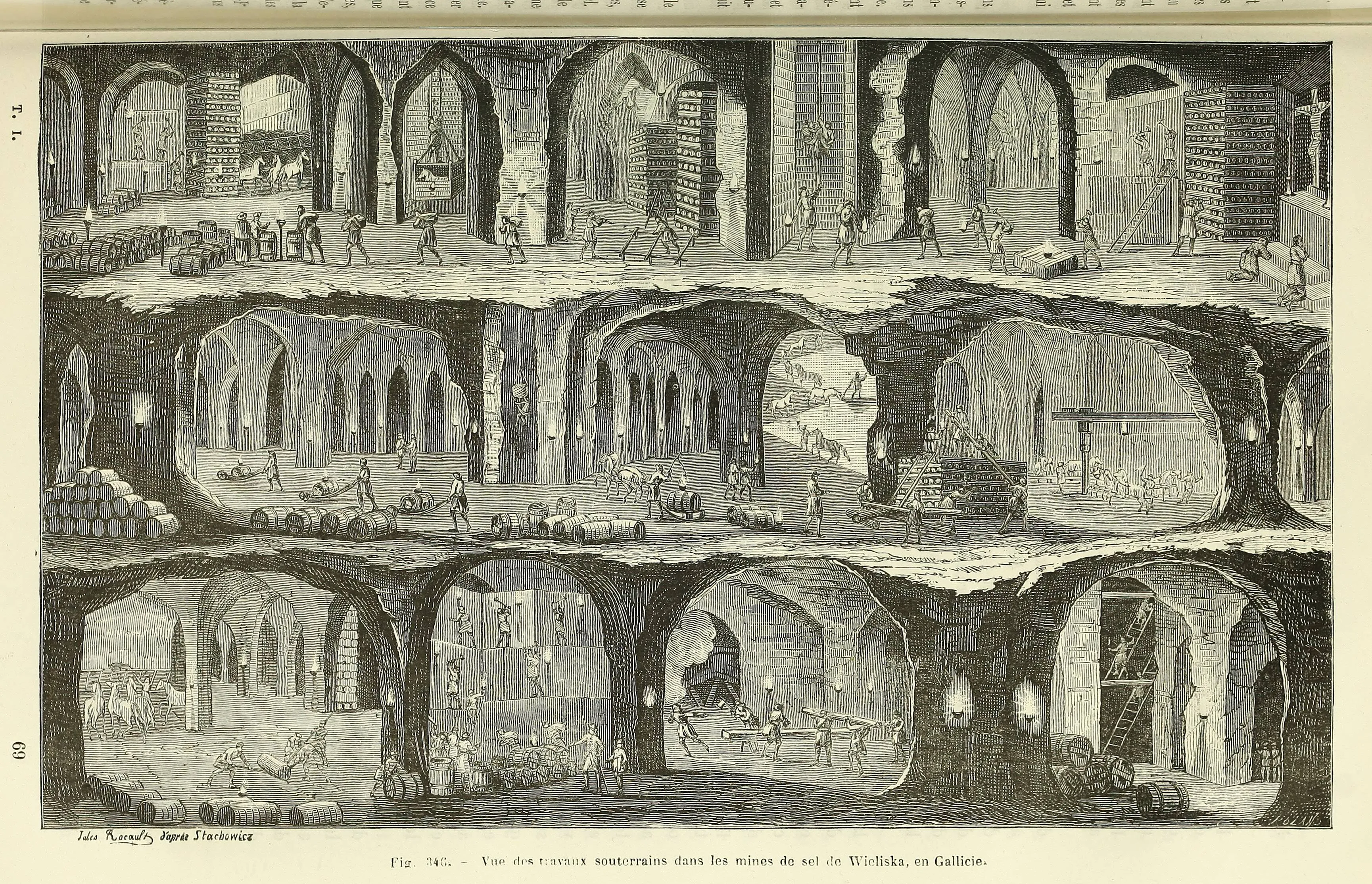
Long before modern tourism, before paved roads from Krakow, and before UNESCO recognition, people in this region already understood the value hidden in the ground beneath their feet. Salt was not just seasoning; it was preservation, trade power, and political leverage. In medieval Europe, control of salt meant control of food storage, military logistics, and taxation. Around Wieliczka, brine springs and later deeper extraction routes transformed a local resource into a strategic asset that connected villages, markets, royal institutions, and distant trading partners.
That is why the story of Wieliczka is never only geological. It is social, economic, and deeply human. Families worked in and around the mine across generations, communities formed around extraction rhythms, and regional identity grew alongside this underground enterprise. As you descend today, you are entering a place where natural formation and human ambition met over centuries, leaving behind one of the richest cultural-industrial records in Poland and in Europe as a whole.
Medieval beginnings of Wieliczka
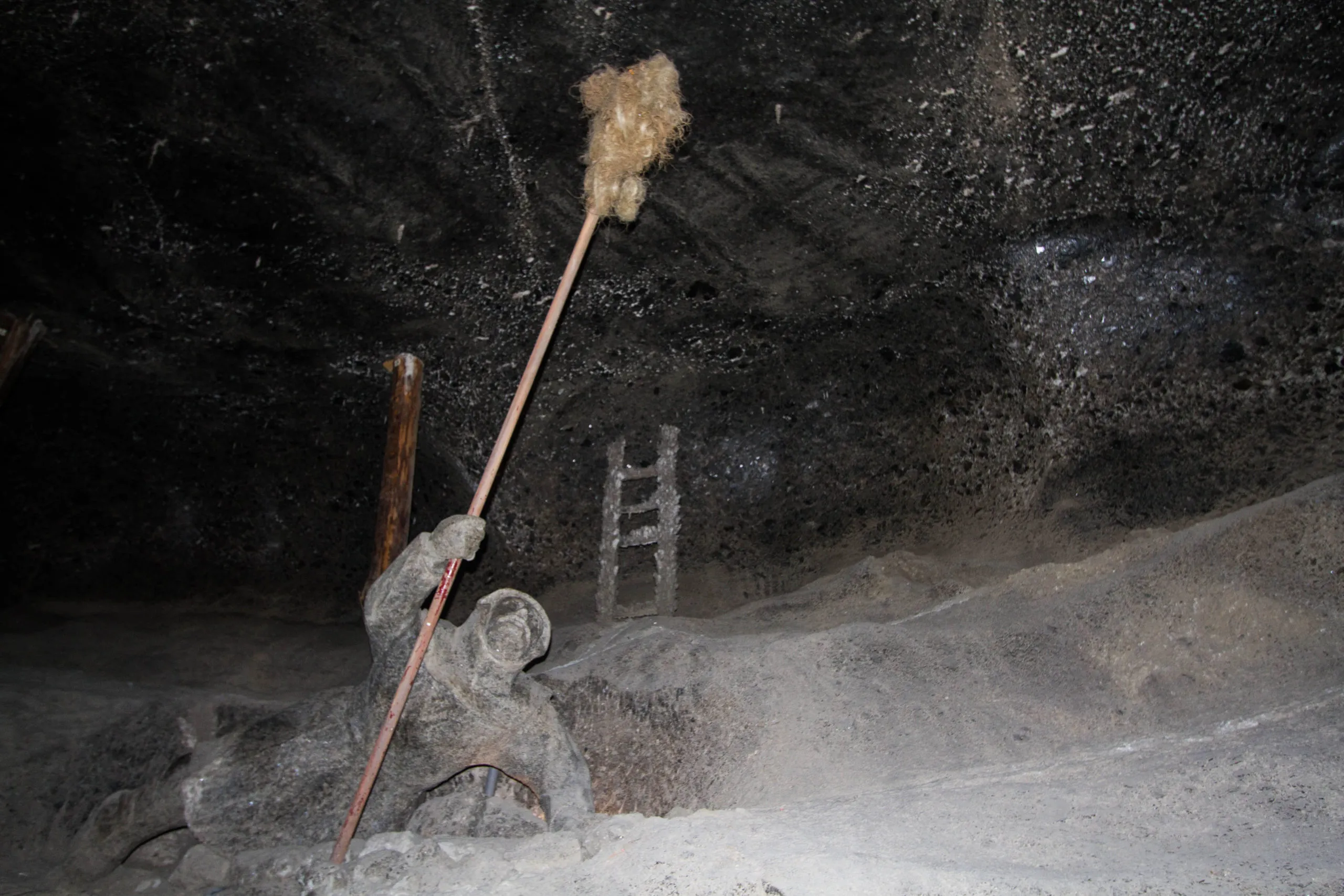
Organized salt extraction at Wieliczka developed strongly in the medieval period, when Polish rulers recognized both the practical and fiscal importance of stable salt production. Early operations were demanding and dangerous, relying on hand tools, basic lifting mechanisms, and hard physical labor in confined underground conditions. Yet even in those early centuries, mining systems became surprisingly sophisticated, with evolving methods to reach, extract, transport, and monitor valuable deposits while minimizing collapse and water intrusion risks.
What makes Wieliczka remarkable is how continuously this work evolved. Instead of a static site frozen in one era, the mine became a layered archive of techniques, architectural interventions, and labor traditions. Timber supports, shafts, galleries, and carved spaces speak to practical necessity but also to adaptation and learning. Walking these corridors now, visitors can sense that each generation inherited both problems and knowledge from the one before, creating an unbroken chain of underground craftsmanship.
Royal salt and the Polish crown
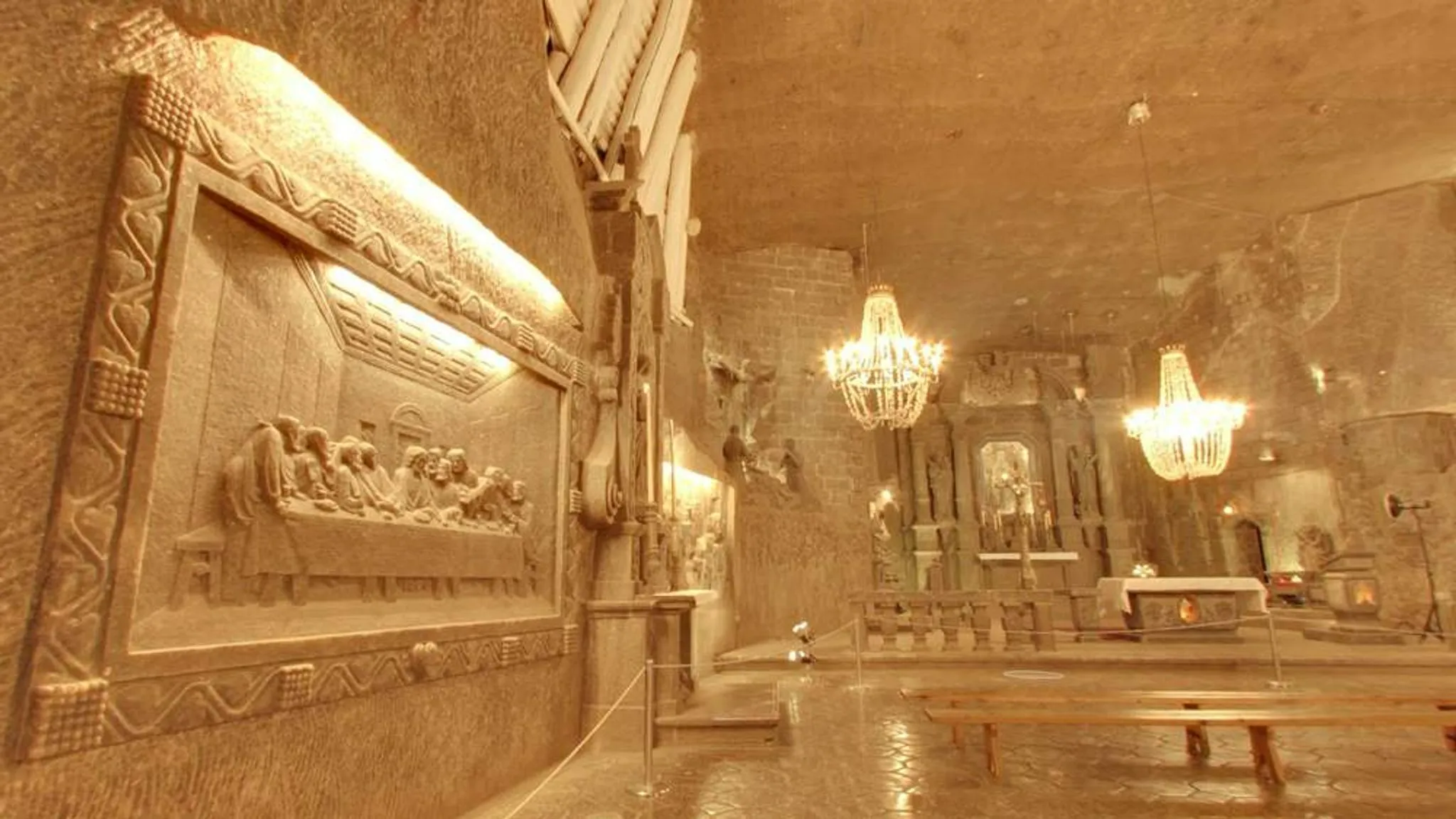
For centuries, Wieliczka was closely tied to the financial strength of the Polish state. Salt revenues contributed significantly to royal income, helping fund administrative functions, court life, military commitments, and public works. In this sense, the mine was not peripheral: it stood at the center of political economy. To understand medieval and early modern Poland, one must understand how crucial salt production complexes like Wieliczka were to state stability and influence.
This connection between underground labor and state power created a striking contrast. On the surface, legal frameworks, taxation systems, and long-distance trade agreements shaped the mine's output. Underground, miners faced exhausting conditions, humidity, darkness, and physical risk. The grandeur associated with salt wealth was inseparable from this daily effort below ground. That historical tension, between value generated and labor endured, remains one of the most powerful themes visitors can still feel inside Wieliczka today.
Life and labor underground
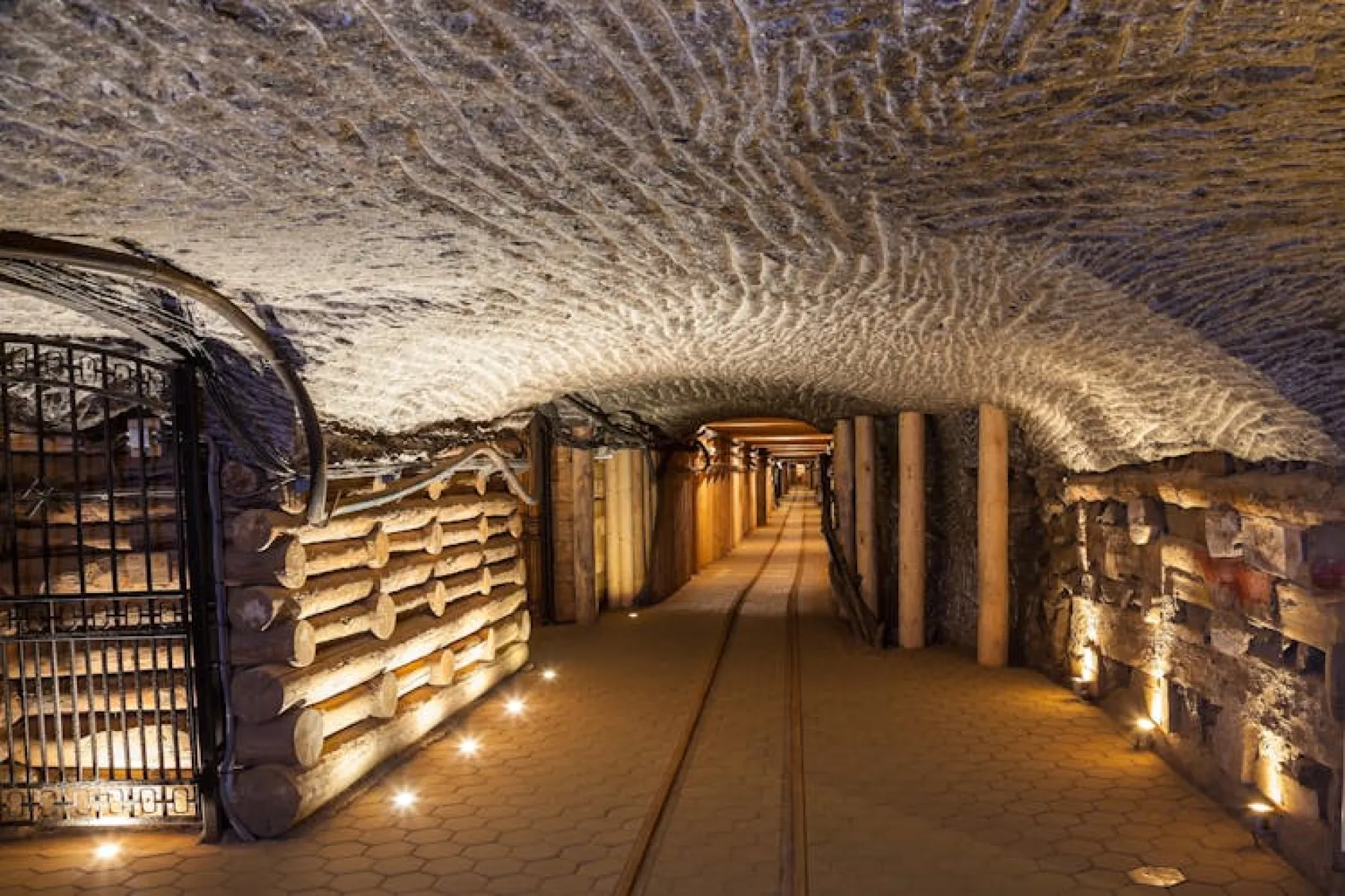
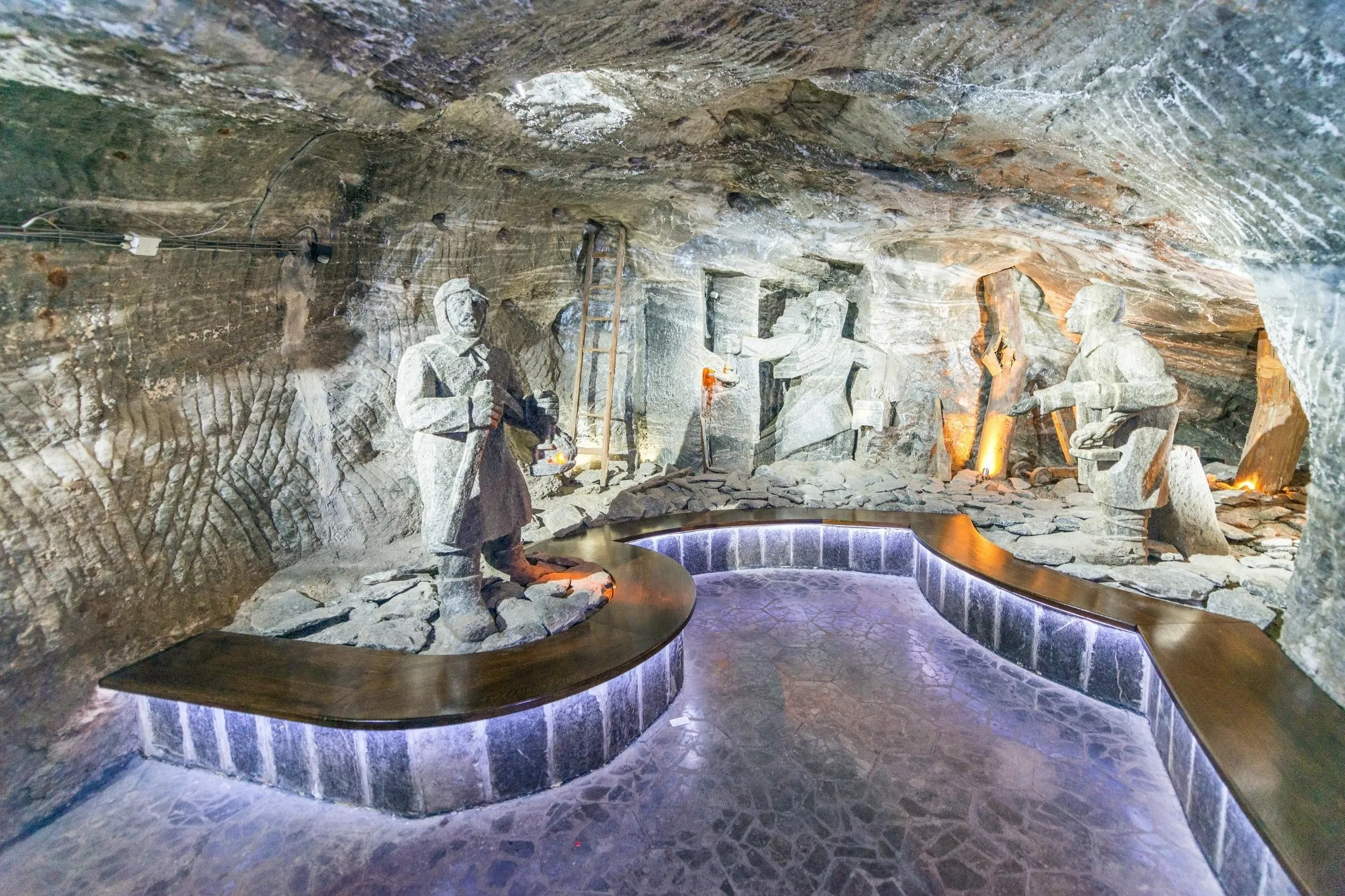
The mine was a workplace before it became a tourist destination, and many of its most memorable spaces began as practical infrastructure. Generations of miners spent long shifts underground, moving through dimly lit passages, managing extraction tasks, and constantly adapting to geological and technical challenges. Work required strength, discipline, cooperation, and a precise understanding of hazards that could change quickly beneath the surface.
Yet the underground life of Wieliczka was never purely mechanical. Miners developed rituals, shared beliefs, and strong bonds forged by dependence on one another. The sculptures and devotional spaces that visitors admire today are rooted in that lived culture. They reflect a world where craftsmanship eased hardship, where symbolic expression helped people face uncertainty, and where even in difficult conditions workers left traces of dignity, humor, and artistic vision.
Faith below the surface
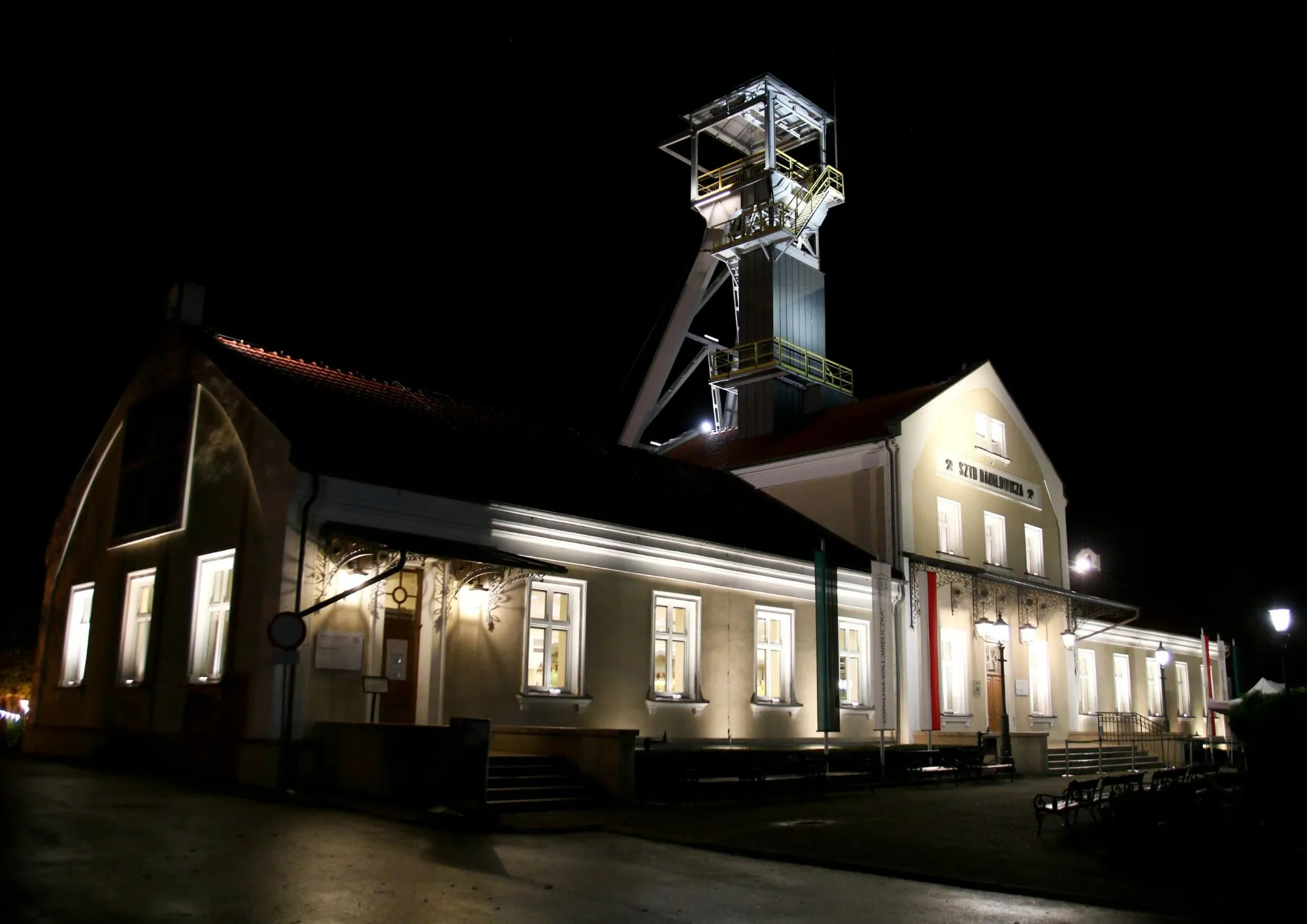
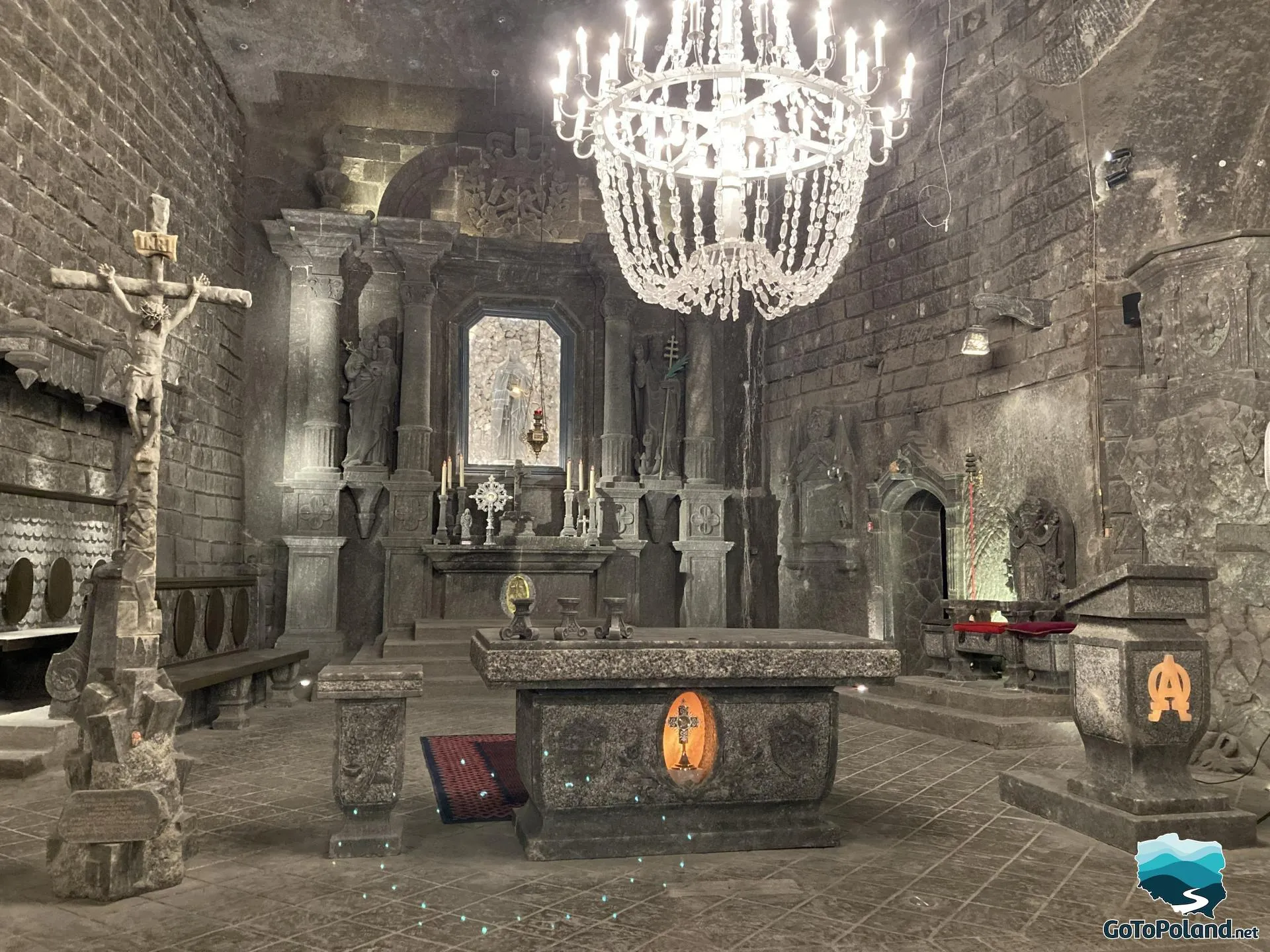
One of the most moving aspects of Wieliczka is how deeply spiritual life entered the underground environment. Chapels carved by miners were not decorative afterthoughts; they were places of prayer, gratitude, fear, and hope in a workplace defined by risk. The most famous, St Kinga Chapel, is often described as a subterranean cathedral, and for good reason. Its scale, detail, and atmosphere feel extraordinary even to visitors who are not religious.
What makes these spaces especially compelling is the material itself. Salt, typically associated with utility and trade, becomes medium for sacred art. Reliefs, altars, and chandeliers transform industrial geology into spiritual architecture. This blending of work, belief, and craftsmanship is a defining Wieliczka signature. It reminds us that heritage is not only about tools and output, but also about how communities searched for meaning in places where life could be uncertain and physically demanding.
Engineering, water, and risk
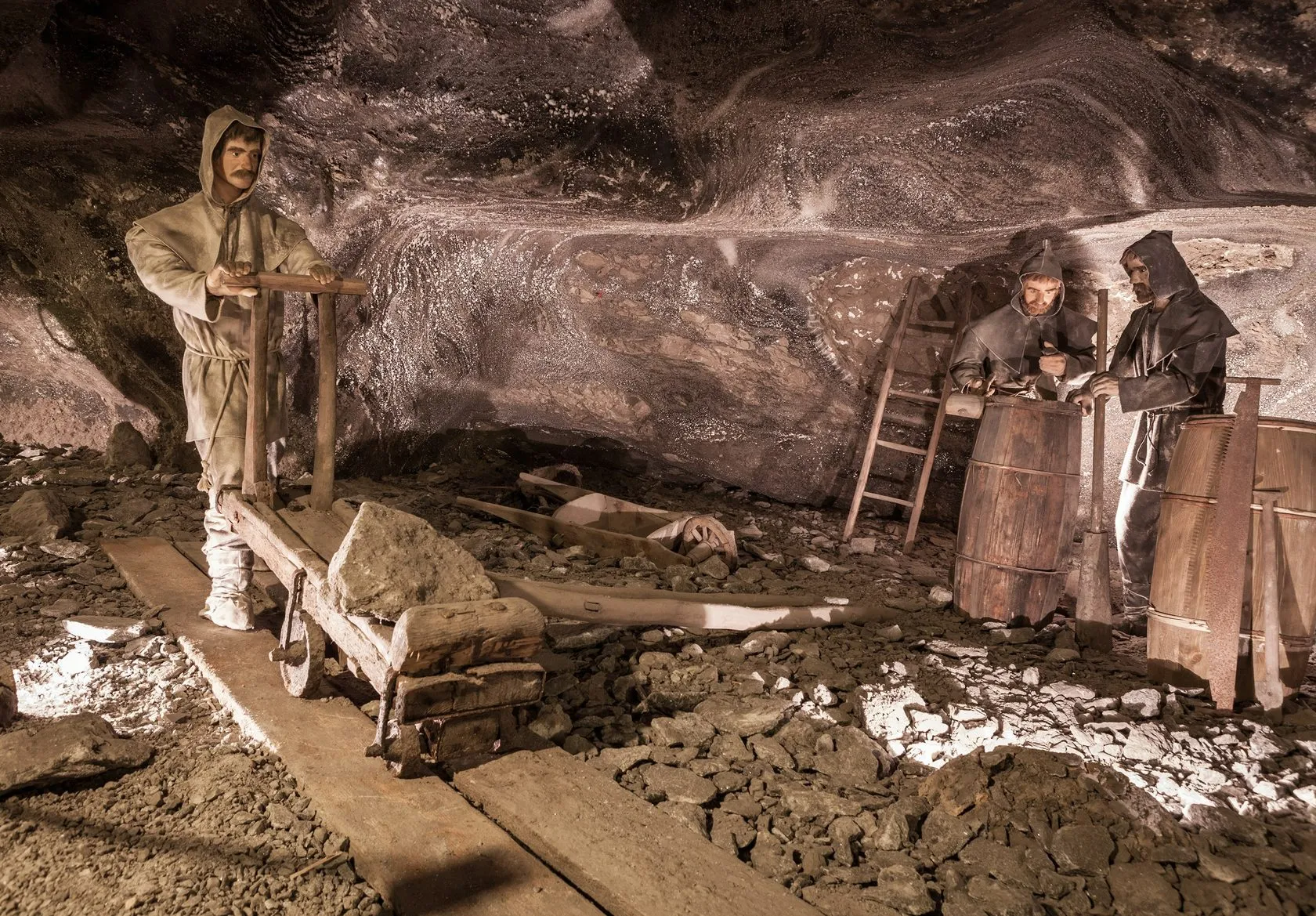
Mining salt at depth always involved technical complexity. Ventilation, structural reinforcement, drainage, and transport systems all required continuous refinement. Water was a persistent threat, and controlling its impact demanded both practical ingenuity and constant vigilance. Over time, Wieliczka developed increasingly advanced responses to these challenges, combining local know-how with broader engineering developments.
Modern visitors often notice the beauty first, then gradually realize the engineering logic behind each corridor and chamber. Dimensions, support forms, and route layouts were shaped by safety, extraction goals, and geological constraints. In that sense, Wieliczka is a museum of industrial intelligence as much as a site of artistic wonder. It demonstrates how deeply technical knowledge can coexist with cultural expression when a community spends centuries working in one demanding environment.
Legends, symbols, and St Kinga
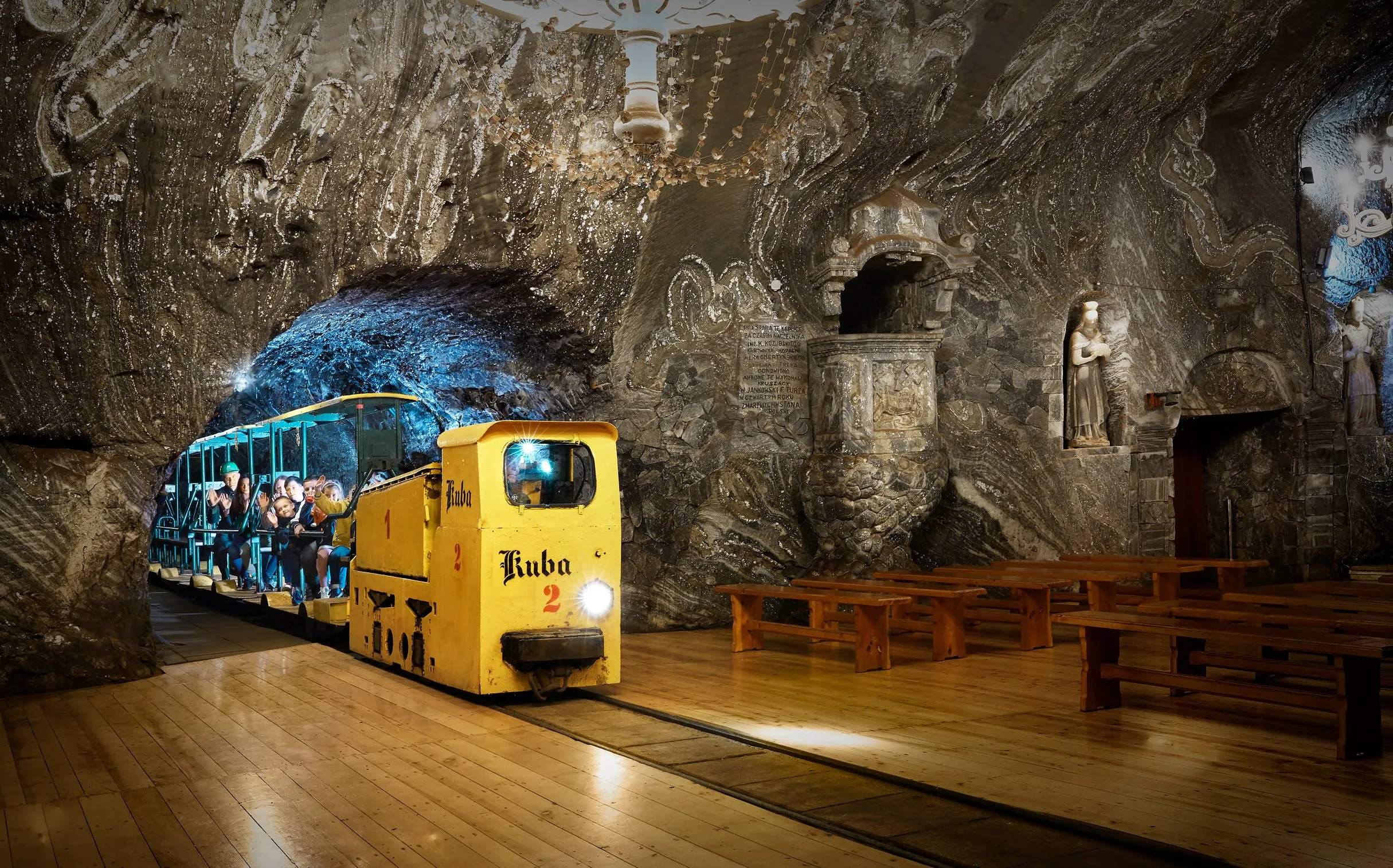
No account of Wieliczka feels complete without the legend of St Kinga, the patron saint associated with miners and salt. In popular tradition, her story links distant origins, royal marriage, and the miraculous discovery of salt in Poland, symbolized by a ring found in the mine. Whether read as legend, identity narrative, or devotional tale, it adds emotional texture to the site's historical chronology.
These stories matter because they shaped how local communities interpreted their work. Legends did not replace practical expertise, but they gave mining life a shared symbolic language. Visitors today still encounter this layer through sculptures, guide narratives, and chapel dedications. It is one reason Wieliczka feels memorable long after the tour ends: you carry not only facts and dates, but images and stories that bridge labor history with cultural imagination.
Visitors, safety, and route logistics
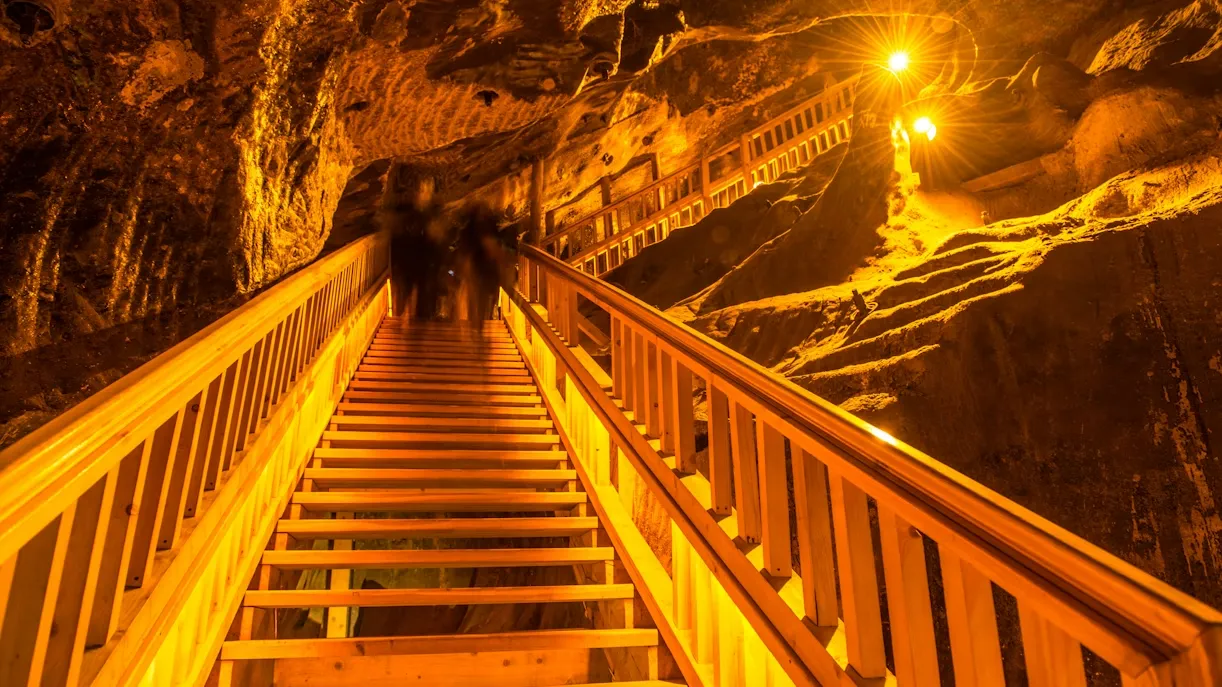
As an active heritage destination, Wieliczka balances access with conservation and safety. Group entry systems, timed tours, designated paths, and staff supervision are all essential to protect both people and the historic fabric of the mine. This can feel structured compared with open-air attractions, but that structure is precisely what makes large-scale visitation possible in such a sensitive underground environment.
For travelers, preparation makes a big difference. Comfortable footwear, punctual arrival, and realistic pacing help you enjoy the route rather than rush through it. If mobility or health considerations apply, planning ahead is especially important because not all sections offer the same level of accessibility. Thoughtful logistics are part of responsible tourism here, and they help ensure that future visitors can experience the same chambers in equally strong condition.
Health traditions and microclimate
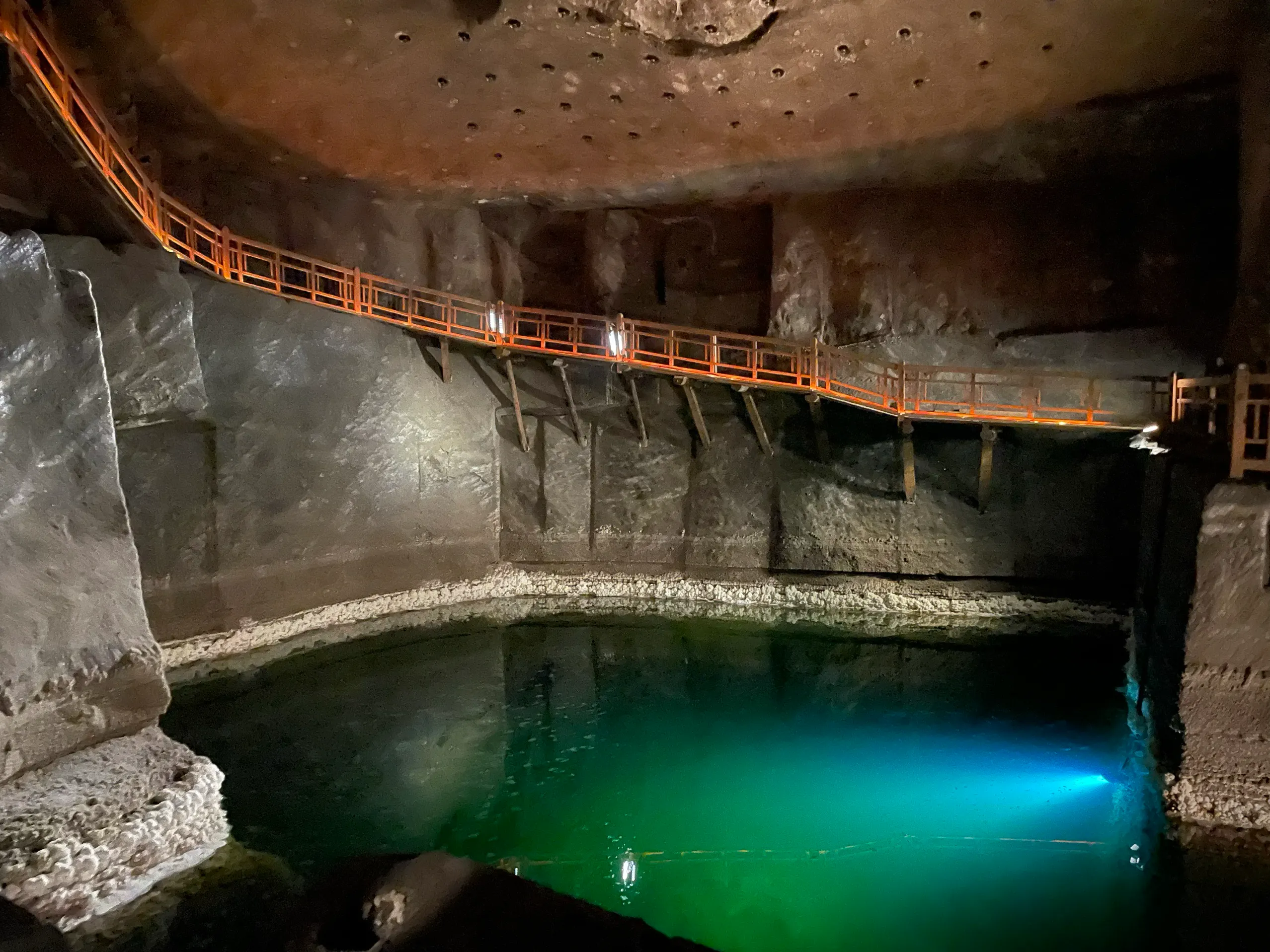
Wieliczka has long been associated with the distinctive underground microclimate created by temperature stability, humidity characteristics, and saline air conditions. Over time, these features contributed to health-related interest and specialized uses in selected mine spaces. While visitors should always rely on current official medical and operational guidance, the historical connection between underground climate and wellbeing is an important chapter in the mine's modern identity.
Even on a standard tourist visit, many people notice the calm sensory shift once underground: cooler air, reduced urban noise, and an unusual acoustic quality in larger chambers. These environmental differences are part of what makes Wieliczka feel immersive rather than purely visual. You are not simply looking at heritage objects; you are moving through a distinct physical atmosphere that shaped both work routines in the past and visitor perceptions today.
Tickets, tours, and planning
Planning your ticket strategy matters more than many first-time visitors expect. Because entries are timed and language-dependent, availability can vary significantly by date and hour. If your Krakow itinerary is tight, booking early helps avoid compromises that can force rushed transfers or inconvenient waiting times. It also gives you a clearer view of what is included, such as guide language, transfer options, or additional route features.
When comparing offers, focus on practical details: exact meeting point, route type, estimated duration, and cancellation terms. A ticket that looks similar at first glance may differ meaningfully in logistics or flexibility. Smart planning here does not mean overcomplicating your trip; it simply means choosing the format that supports your pace and priorities, so the mine visit becomes a highlight rather than a scheduling stress point.
UNESCO and preservation efforts
UNESCO recognition affirmed what locals and historians had long known: Wieliczka is globally significant as both industrial and cultural heritage. But recognition is only the beginning. Ongoing preservation requires technical monitoring, controlled visitor flow, conservation expertise, and long-term institutional commitment. Every stabilized chamber, restored carving, and protected corridor reflects continued work behind the scenes.
Visitors play a role in this preservation ecosystem. Respecting route rules, avoiding contact with sensitive surfaces, and following staff guidance are small actions that matter over millions of annual visits. Heritage survives through cooperation between conservation professionals and the public. At Wieliczka, that shared responsibility is especially visible because the environment is enclosed, fragile in places, and deeply layered with historical material.
Wieliczka and Krakow together
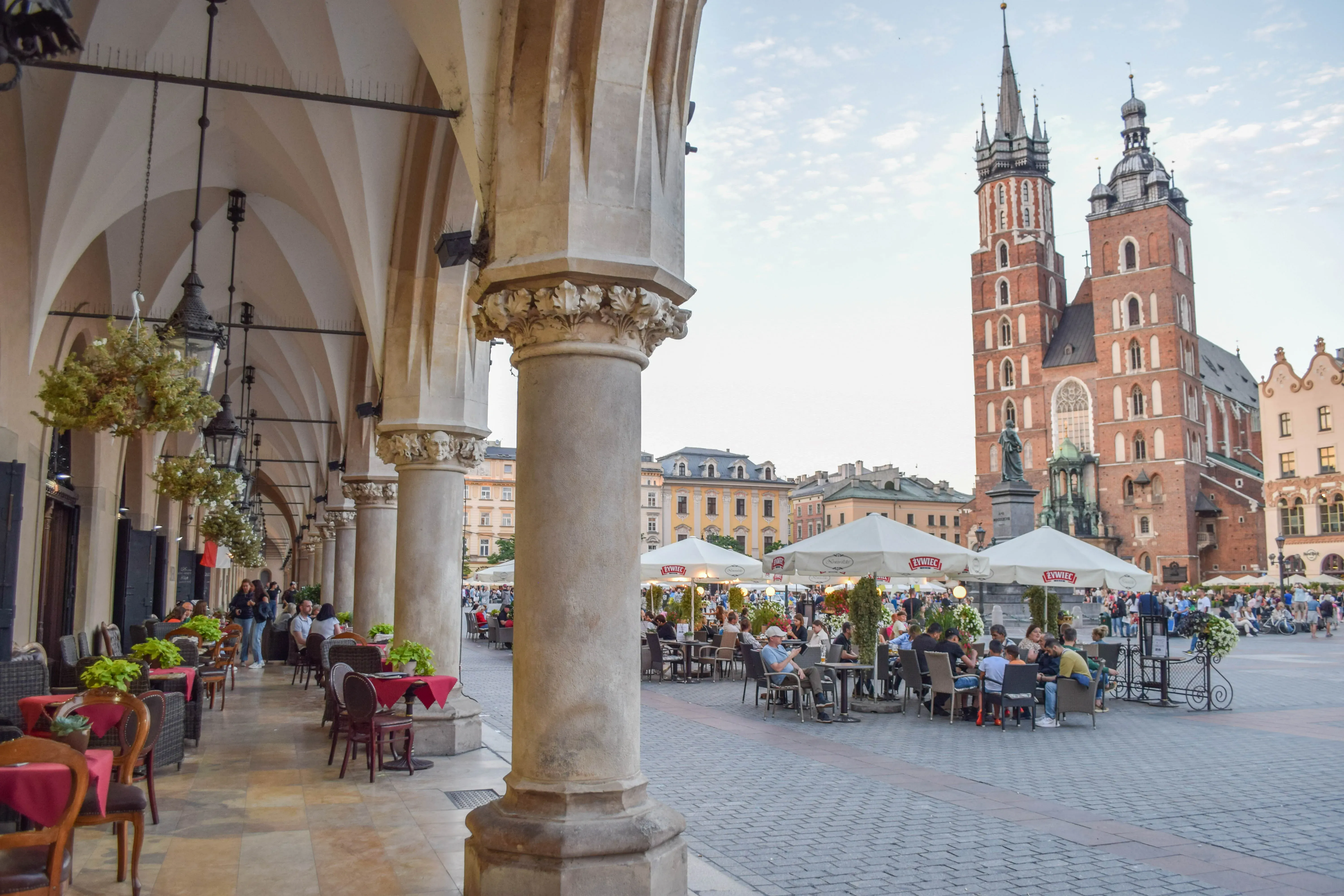
Part of Wieliczka's enduring appeal is how naturally it complements a Krakow itinerary. In one day, you can experience a vibrant historic city above ground and a monumental heritage complex below ground, each with different textures, rhythms, and stories. The short travel distance makes this combination accessible even to visitors with limited time in southern Poland.
Many travelers pair Wieliczka with Krakow's Old Town, Wawel surroundings, or local food stops, creating a day that moves from medieval urban life to underground industrial history and back again. This contrast helps visitors understand the wider region more fully: not just its architecture and public squares, but also the resource systems and labor traditions that supported centuries of social and economic development.
Why Wieliczka still moves people
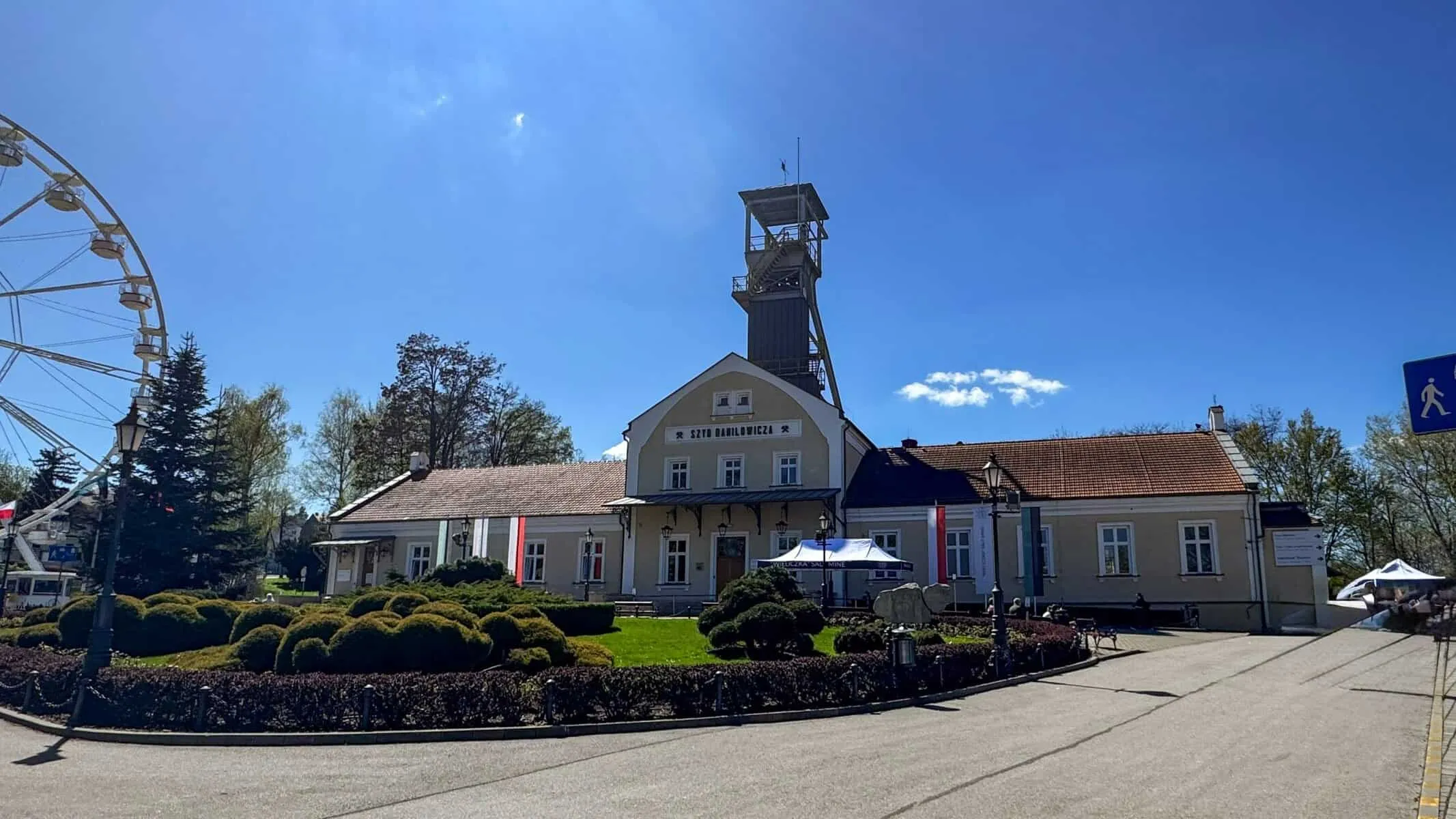
People often arrive expecting a historical attraction and leave describing something far more emotional. Wieliczka works on multiple levels at once: visual surprise, historical depth, physical immersion, and human narrative. You walk through chambers that were once part of demanding industrial routines, yet many now feel contemplative, almost theatrical, shaped by centuries of adaptation and meaning-making.
That layered experience is why Wieliczka remains powerful even for seasoned travelers. It is not only a checklist site or a photogenic stop outside Krakow. It is a place where geology meets belief, labor meets art, and local history opens onto broader questions about resilience, technology, and memory. In that sense, the mine does more than preserve the past; it invites each visitor to reflect on how communities transform hardship into legacy.
Table of Contents
Origins of salt and settlement
Long before modern tourism, before paved roads from Krakow, and before UNESCO recognition, people in this region already understood the value hidden in the ground beneath their feet. Salt was not just seasoning; it was preservation, trade power, and political leverage. In medieval Europe, control of salt meant control of food storage, military logistics, and taxation. Around Wieliczka, brine springs and later deeper extraction routes transformed a local resource into a strategic asset that connected villages, markets, royal institutions, and distant trading partners.
That is why the story of Wieliczka is never only geological. It is social, economic, and deeply human. Families worked in and around the mine across generations, communities formed around extraction rhythms, and regional identity grew alongside this underground enterprise. As you descend today, you are entering a place where natural formation and human ambition met over centuries, leaving behind one of the richest cultural-industrial records in Poland and in Europe as a whole.
Medieval beginnings of Wieliczka
Organized salt extraction at Wieliczka developed strongly in the medieval period, when Polish rulers recognized both the practical and fiscal importance of stable salt production. Early operations were demanding and dangerous, relying on hand tools, basic lifting mechanisms, and hard physical labor in confined underground conditions. Yet even in those early centuries, mining systems became surprisingly sophisticated, with evolving methods to reach, extract, transport, and monitor valuable deposits while minimizing collapse and water intrusion risks.
What makes Wieliczka remarkable is how continuously this work evolved. Instead of a static site frozen in one era, the mine became a layered archive of techniques, architectural interventions, and labor traditions. Timber supports, shafts, galleries, and carved spaces speak to practical necessity but also to adaptation and learning. Walking these corridors now, visitors can sense that each generation inherited both problems and knowledge from the one before, creating an unbroken chain of underground craftsmanship.
Royal salt and the Polish crown
For centuries, Wieliczka was closely tied to the financial strength of the Polish state. Salt revenues contributed significantly to royal income, helping fund administrative functions, court life, military commitments, and public works. In this sense, the mine was not peripheral: it stood at the center of political economy. To understand medieval and early modern Poland, one must understand how crucial salt production complexes like Wieliczka were to state stability and influence.
This connection between underground labor and state power created a striking contrast. On the surface, legal frameworks, taxation systems, and long-distance trade agreements shaped the mine's output. Underground, miners faced exhausting conditions, humidity, darkness, and physical risk. The grandeur associated with salt wealth was inseparable from this daily effort below ground. That historical tension, between value generated and labor endured, remains one of the most powerful themes visitors can still feel inside Wieliczka today.
Life and labor underground
The mine was a workplace before it became a tourist destination, and many of its most memorable spaces began as practical infrastructure. Generations of miners spent long shifts underground, moving through dimly lit passages, managing extraction tasks, and constantly adapting to geological and technical challenges. Work required strength, discipline, cooperation, and a precise understanding of hazards that could change quickly beneath the surface.
Yet the underground life of Wieliczka was never purely mechanical. Miners developed rituals, shared beliefs, and strong bonds forged by dependence on one another. The sculptures and devotional spaces that visitors admire today are rooted in that lived culture. They reflect a world where craftsmanship eased hardship, where symbolic expression helped people face uncertainty, and where even in difficult conditions workers left traces of dignity, humor, and artistic vision.
Faith below the surface
One of the most moving aspects of Wieliczka is how deeply spiritual life entered the underground environment. Chapels carved by miners were not decorative afterthoughts; they were places of prayer, gratitude, fear, and hope in a workplace defined by risk. The most famous, St Kinga Chapel, is often described as a subterranean cathedral, and for good reason. Its scale, detail, and atmosphere feel extraordinary even to visitors who are not religious.
What makes these spaces especially compelling is the material itself. Salt, typically associated with utility and trade, becomes medium for sacred art. Reliefs, altars, and chandeliers transform industrial geology into spiritual architecture. This blending of work, belief, and craftsmanship is a defining Wieliczka signature. It reminds us that heritage is not only about tools and output, but also about how communities searched for meaning in places where life could be uncertain and physically demanding.
Engineering, water, and risk
Mining salt at depth always involved technical complexity. Ventilation, structural reinforcement, drainage, and transport systems all required continuous refinement. Water was a persistent threat, and controlling its impact demanded both practical ingenuity and constant vigilance. Over time, Wieliczka developed increasingly advanced responses to these challenges, combining local know-how with broader engineering developments.
Modern visitors often notice the beauty first, then gradually realize the engineering logic behind each corridor and chamber. Dimensions, support forms, and route layouts were shaped by safety, extraction goals, and geological constraints. In that sense, Wieliczka is a museum of industrial intelligence as much as a site of artistic wonder. It demonstrates how deeply technical knowledge can coexist with cultural expression when a community spends centuries working in one demanding environment.
Legends, symbols, and St Kinga
No account of Wieliczka feels complete without the legend of St Kinga, the patron saint associated with miners and salt. In popular tradition, her story links distant origins, royal marriage, and the miraculous discovery of salt in Poland, symbolized by a ring found in the mine. Whether read as legend, identity narrative, or devotional tale, it adds emotional texture to the site's historical chronology.
These stories matter because they shaped how local communities interpreted their work. Legends did not replace practical expertise, but they gave mining life a shared symbolic language. Visitors today still encounter this layer through sculptures, guide narratives, and chapel dedications. It is one reason Wieliczka feels memorable long after the tour ends: you carry not only facts and dates, but images and stories that bridge labor history with cultural imagination.
Visitors, safety, and route logistics
As an active heritage destination, Wieliczka balances access with conservation and safety. Group entry systems, timed tours, designated paths, and staff supervision are all essential to protect both people and the historic fabric of the mine. This can feel structured compared with open-air attractions, but that structure is precisely what makes large-scale visitation possible in such a sensitive underground environment.
For travelers, preparation makes a big difference. Comfortable footwear, punctual arrival, and realistic pacing help you enjoy the route rather than rush through it. If mobility or health considerations apply, planning ahead is especially important because not all sections offer the same level of accessibility. Thoughtful logistics are part of responsible tourism here, and they help ensure that future visitors can experience the same chambers in equally strong condition.
Health traditions and microclimate
Wieliczka has long been associated with the distinctive underground microclimate created by temperature stability, humidity characteristics, and saline air conditions. Over time, these features contributed to health-related interest and specialized uses in selected mine spaces. While visitors should always rely on current official medical and operational guidance, the historical connection between underground climate and wellbeing is an important chapter in the mine's modern identity.
Even on a standard tourist visit, many people notice the calm sensory shift once underground: cooler air, reduced urban noise, and an unusual acoustic quality in larger chambers. These environmental differences are part of what makes Wieliczka feel immersive rather than purely visual. You are not simply looking at heritage objects; you are moving through a distinct physical atmosphere that shaped both work routines in the past and visitor perceptions today.
Tickets, tours, and planning
Planning your ticket strategy matters more than many first-time visitors expect. Because entries are timed and language-dependent, availability can vary significantly by date and hour. If your Krakow itinerary is tight, booking early helps avoid compromises that can force rushed transfers or inconvenient waiting times. It also gives you a clearer view of what is included, such as guide language, transfer options, or additional route features.
When comparing offers, focus on practical details: exact meeting point, route type, estimated duration, and cancellation terms. A ticket that looks similar at first glance may differ meaningfully in logistics or flexibility. Smart planning here does not mean overcomplicating your trip; it simply means choosing the format that supports your pace and priorities, so the mine visit becomes a highlight rather than a scheduling stress point.
UNESCO and preservation efforts
UNESCO recognition affirmed what locals and historians had long known: Wieliczka is globally significant as both industrial and cultural heritage. But recognition is only the beginning. Ongoing preservation requires technical monitoring, controlled visitor flow, conservation expertise, and long-term institutional commitment. Every stabilized chamber, restored carving, and protected corridor reflects continued work behind the scenes.
Visitors play a role in this preservation ecosystem. Respecting route rules, avoiding contact with sensitive surfaces, and following staff guidance are small actions that matter over millions of annual visits. Heritage survives through cooperation between conservation professionals and the public. At Wieliczka, that shared responsibility is especially visible because the environment is enclosed, fragile in places, and deeply layered with historical material.
Wieliczka and Krakow together
Part of Wieliczka's enduring appeal is how naturally it complements a Krakow itinerary. In one day, you can experience a vibrant historic city above ground and a monumental heritage complex below ground, each with different textures, rhythms, and stories. The short travel distance makes this combination accessible even to visitors with limited time in southern Poland.
Many travelers pair Wieliczka with Krakow's Old Town, Wawel surroundings, or local food stops, creating a day that moves from medieval urban life to underground industrial history and back again. This contrast helps visitors understand the wider region more fully: not just its architecture and public squares, but also the resource systems and labor traditions that supported centuries of social and economic development.
Why Wieliczka still moves people
People often arrive expecting a historical attraction and leave describing something far more emotional. Wieliczka works on multiple levels at once: visual surprise, historical depth, physical immersion, and human narrative. You walk through chambers that were once part of demanding industrial routines, yet many now feel contemplative, almost theatrical, shaped by centuries of adaptation and meaning-making.
That layered experience is why Wieliczka remains powerful even for seasoned travelers. It is not only a checklist site or a photogenic stop outside Krakow. It is a place where geology meets belief, labor meets art, and local history opens onto broader questions about resilience, technology, and memory. In that sense, the mine does more than preserve the past; it invites each visitor to reflect on how communities transform hardship into legacy.